If you live in a pre-war apartment or a charming historic brownstone, you are likely well-acquainted with the quirks of older infrastructure. While those original hardwood floors and high ceilings are beautiful, the “behind-the-scenes” elements—specifically the plumbing—can present unique challenges for new parents. When you are navigating the world of feeding and milk prep, the quality of your water becomes a top priority.
Preparing infant formula requires more than just following the measurements on the back of the tin. It requires a foundational understanding of what is coming out of your tap. In older buildings, lead pipes, brass fittings, and sediment buildup in galvanized steel lines can all impact water safety. By taking a few strategic steps, you can ensure that your urban baby living experience remains safe, healthy, and stress-free.
Understanding the Risks of Older Pipes
The primary concern with older plumbing is lead. While the water leaving the treatment plant may be safe, it can pick up lead as it travels through older service lines or the internal plumbing of your building. According to the Environmental Protection Agency (EPA), there is no safe level of lead for infants. Because babies consume a large amount of water relative to their body weight—especially when exclusively formula-fed—they are more vulnerable to the effects of heavy metals.
Additionally, older water heaters can harbor sediment and bacteria. This is why the way you draw and treat your water is just as important as the formula you choose. Incorporating these safety measures into your newborn basics routine will provide peace of mind during every feeding.
1. The “Flush” Rule: Clearing the Lines
If water has been sitting in your pipes for several hours (like overnight or while you are at work), the concentration of lead and other minerals increases.
- Run the Cold Water: Before collecting water for formula, run the cold tap for at least two minutes. You will notice the water temperature drop slightly—this indicates that you have flushed out the water that was sitting in the building’s internal pipes and are now receiving “fresh” water from the main line.
- Never Use the Hot Tap: It is a common misconception that using hot tap water saves time when warming a bottle. In older plumbing, hot water is more likely to leach metals from the pipes and is more likely to contain sediment from the water heater. Always start with cold water and heat it externally.
2. Effective Filtration Strategies
Not all water filters are created equal. If you are concerned about lead or particulates, you need to ensure your filter is specifically certified for those contaminants.
- NSF/ANSI Standard 53: Look for this certification on your filter packaging. Standard 53 is the benchmark for filters designed to reduce contaminants with health effects, including lead.
- Point-of-Use vs. Pitcher: While pitcher filters are convenient, under-sink or faucet-mounted filters often provide a more robust flow and higher filtration capacity. This is a worthwhile investment for maintaining a clean and safe home.
3. The Sterilization Standard
For newborns, especially those born prematurely or with weakened immune systems, the Centers for Disease Control and Prevention (CDC) recommends boiling water used for formula. This isn’t just because of the plumbing; it’s also because powdered formula is not sterile and can occasionally contain rare but harmful bacteria like Cronobacter sakazakii.
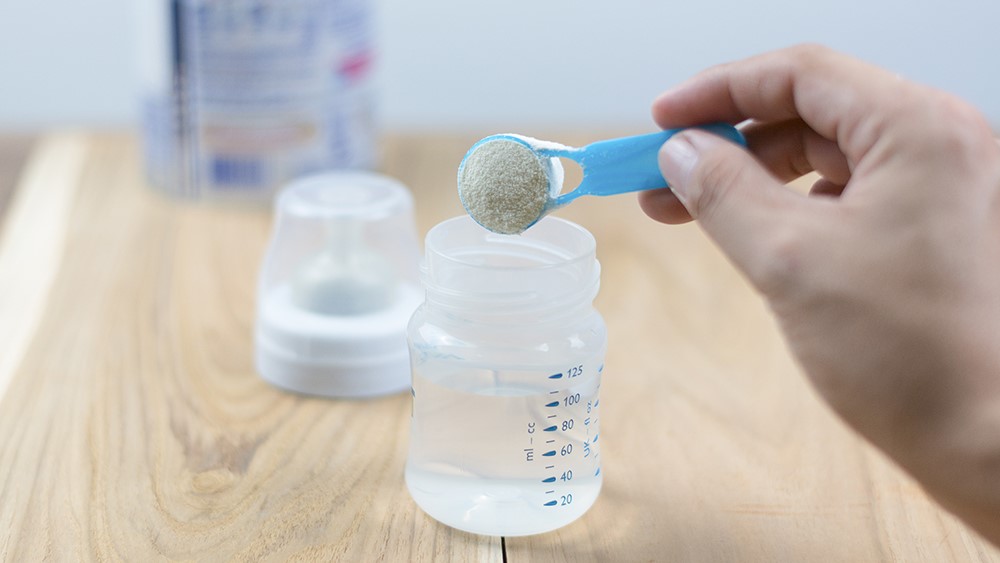
- The 70°C Rule: Bring your filtered cold water to a rolling boil for one minute. Let it cool for no more than 30 minutes. At this point, the water should be around 70°C (158°F). Mixing the powder with water at this temperature kills any bacteria present in the formula itself.
- Cooling the Bottle: Once mixed, quickly cool the bottle to body temperature by holding it under running cold water or placing it in an ice bath. Always test the temperature on the inside of your wrist before feeding.
4. Considering Bottled Water Alternatives
If you are living in a building with a known lead issue or if you find the boiling-and-cooling routine too difficult to manage during the “witching hour,” bottled water is a viable alternative.
- Look for “Nursery Water”: This is distilled or purified water specifically marketed for formula. Ensure it is labeled as “purified,” “distilled,” or “deionized.”
- Fluoride Balance: Some nursery waters contain added fluoride. While fluoride is good for developing teeth later on, the American Dental Association suggests that exclusive use of fluoridated water for formula could lead to mild fluorosis. It is often best to alternate between fluoridated and non-fluoridated water.
5. Organizing Your Prep Station in Small Kitchens
In many older city apartments, counter space is a luxury. To keep your prep area safe and efficient, you need a streamlined setup of baby gear essentials.
- The Electric Kettle: A glass or stainless steel electric kettle with temperature control can be a lifesaver. It allows you to boil and then hold water at a specific temperature, reducing the wait time during 3:00 AM feedings.
- Drying Racks: Use a vertical drying rack to keep sterilized bottles away from the general kitchen clutter. Keeping your baby’s items separate from your standard dishes is a key part of maintaining a hygienic environment.
6. Leaning on Postpartum Support
Managing water safety, boiling, and cooling while sleep-deprived is a heavy mental load. This is a task that is easily delegated. If you have a partner or postpartum support person, make them the “Chief of Water Logistics.” Having someone else ensure the kettle is filled, the filter is changed, and the bottles are sterilized allows the feeding parent to focus on the baby and sleep and soothing.
If you’re ever worried about your baby’s health or reaction to a specific water source, our faq section has more information on signs of digestive upset in newborns. You can also find more urban-specific parenting hacks in our blog archives.
Summary: Safety Through Preparation
Older plumbing doesn’t have to be a source of anxiety. By flushing your pipes, using certified filtration, and following the “boil and cool” method, you can provide your baby with safe, high-quality nutrition regardless of the age of your building. Preparation is the key to confidence. When you have a system in place, you can stop worrying about the pipes and focus on the tiny person in your arms.
If you have specific questions about water testing in your neighborhood or need recommendations for the best space-saving kettles, please contact us. We are here to help you navigate every challenge of city parenting.