Bringing a new baby home is one of life’s most exhilarating milestones. Whether you are moving into a charming pre-war brownstone or a mid-century walk-up, older buildings often possess a character, crown molding, and spaciousness that modern cookie-cutter condos simply cannot match. However, as any seasoned parent will tell you, charm often comes with hidden challenges—especially when it comes to childproofing.
While modern construction is built with contemporary safety standards in mind, older apartments were designed in eras when babyproofing wasn’t a primary architectural consideration. From lead paint and outdated electrical systems to unconventional window layouts, older homes require a more proactive, specialized approach to safety.
If you are navigating the transition to parenthood in an older building, don’t worry. You can absolutely create a secure sanctuary for your little one. It just requires understanding the unique risks and implementing the right precautions.
The Reality of Aging Infrastructure
When you move into an older apartment, you are essentially adopting a piece of history. While beautiful, this history often includes materials and building techniques that don’t align with current safety standards.
Lead Paint Concerns
One of the most significant concerns in older buildings is the presence of lead-based paint. Before 1978, lead was a common additive in household paint. If the paint is intact, it is generally not a hazard. However, as children begin to crawl and explore, they may chew on window sills or baseboards, or ingest paint chips if the finish begins to flake or peel.
The Safety Step: Before move-in, or as soon as you find out you are expecting, have a professional inspection performed. If lead paint is found, avoid sanding or scraping it yourself. Instead, speak with your landlord about encapsulation—a process that seals the lead paint with a specialized coating—or safe professional abatement.
Outdated Electrical Systems
Older apartments often have fewer outlets, and those that exist may not be grounded properly or equipped with modern safety features like GFCIs (Ground Fault Circuit Interrupters). Furthermore, aging wiring can be more susceptible to electrical fires.
The Safety Step: Install childproof outlet covers immediately. Beyond just covers, ensure your apartment has adequate smoke and carbon monoxide detectors. Because older buildings may lack modern hardwired systems, rely on high-quality, battery-operated units and check them monthly.
Navigating Structural Quirks
Apartments built decades ago often feature layouts that prioritize aesthetics or space over safety. When you are balancing urban baby living, you have to get creative with how you secure your space.
The Window Guard Dilemma
In many high-rise or walk-up apartments, windows are the primary source of ventilation. However, they can also be a significant fall hazard. Older windows often lack the sophisticated locking mechanisms or “stop” latches found in newer builds.
The Safety Step: Window guards are non-negotiable. Ensure that any window guard you install is approved by local building codes (often NYC or similar local municipal standards). The guard must be strong enough to withstand pressure and should have bars spaced closely enough so that a child’s head cannot pass through. Always consult your landlord before drilling into building materials to ensure you aren’t violating your lease.
Unstable Shelving and Architectural Elements
Older apartments are known for built-in shelving, heavy radiator covers, and sometimes uneven flooring. These “charming” features can be tippling hazards for a mobile baby.
The Safety Step: Anchor everything. Furniture tipping is a leading cause of child injury. Even if a piece of furniture looks stable, use high-quality furniture straps to secure bookshelves, dressers, and storage units to the wall. For radiators, which get extremely hot and can have sharp edges, look for custom-fit radiator covers that are designed to be heat-resistant and secure.
Establishing a Safe Foundation
As you prepare your home, it can be overwhelming to know where to start. We often focus on the baby gear essentials like cribs and strollers, but the physical environment is the most important piece of equipment you own.
The “Clean and Safe” Mindset
When you are living in an older space, you might find more dust, cracks in moldings, or even gaps under baseboards. These spaces can harbor allergens or small debris that could become a choking hazard.
- Seal the Gaps: Use non-toxic caulk to fill small gaps in baseboards or floorboards where crumbs or small items might collect.
- Professional Deep Clean: Before the baby arrives, consider hiring a cleaning service that specializes in eco-friendly, non-toxic products to address years of accumulated dust and allergens.
- Mind the Radiators: Beyond covers, teach your child from an early age that the radiator is “hot” and off-limits. Using a consistent, calm voice, establish boundaries early, but rely on physical barriers until they are old enough to understand.
Balancing Safety with Aesthetics
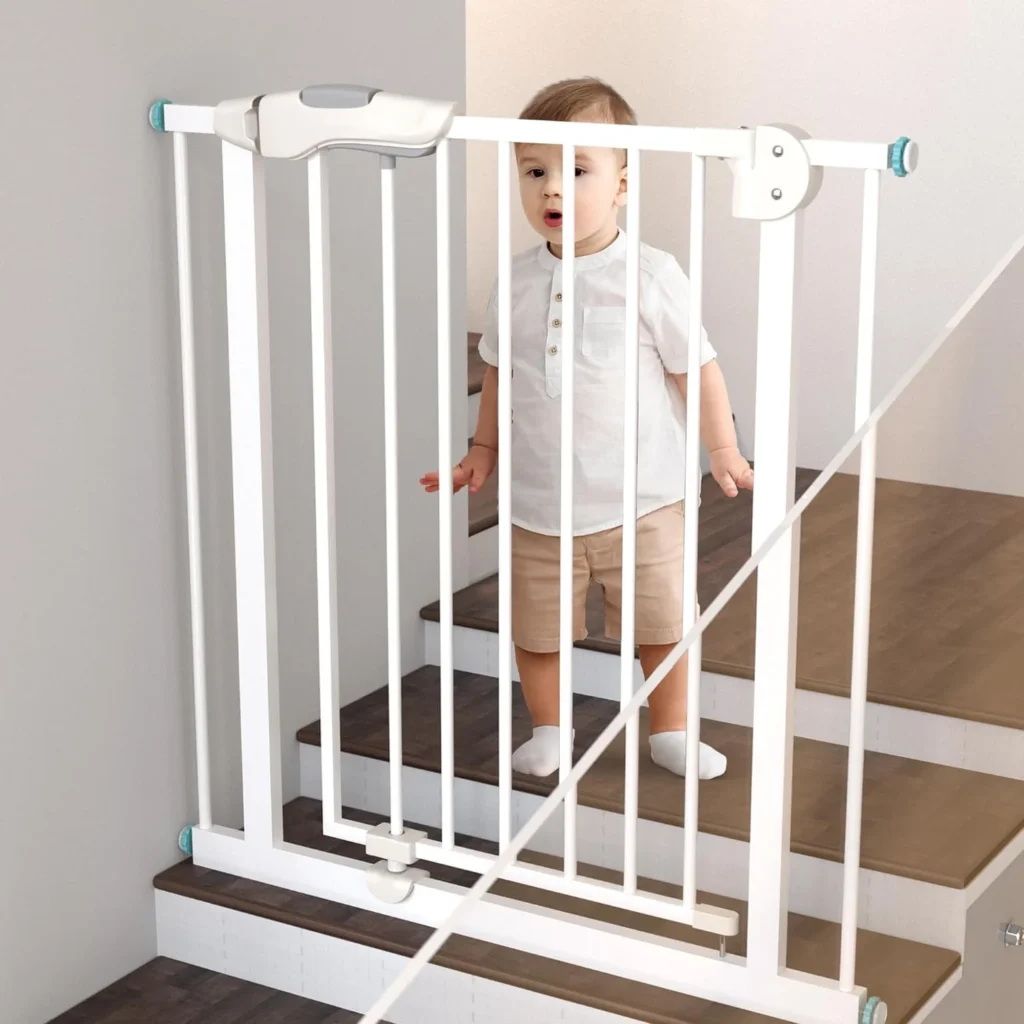
Living in an older apartment doesn’t mean you have to turn your home into a sterile fortress. Many modern safety products are designed to be discreet. You can find clear corner guards, pressure-mounted gates that don’t damage historic woodwork, and furniture anchors that are completely invisible once installed.
If you are feeling overwhelmed, remember that you don’t have to tackle everything at once. Focus on the most immediate risks:
- The Sleep Environment: Ensure the crib is away from windows and blind cords. Read up on sleep and soothing to understand how to keep your baby safe while they rest.
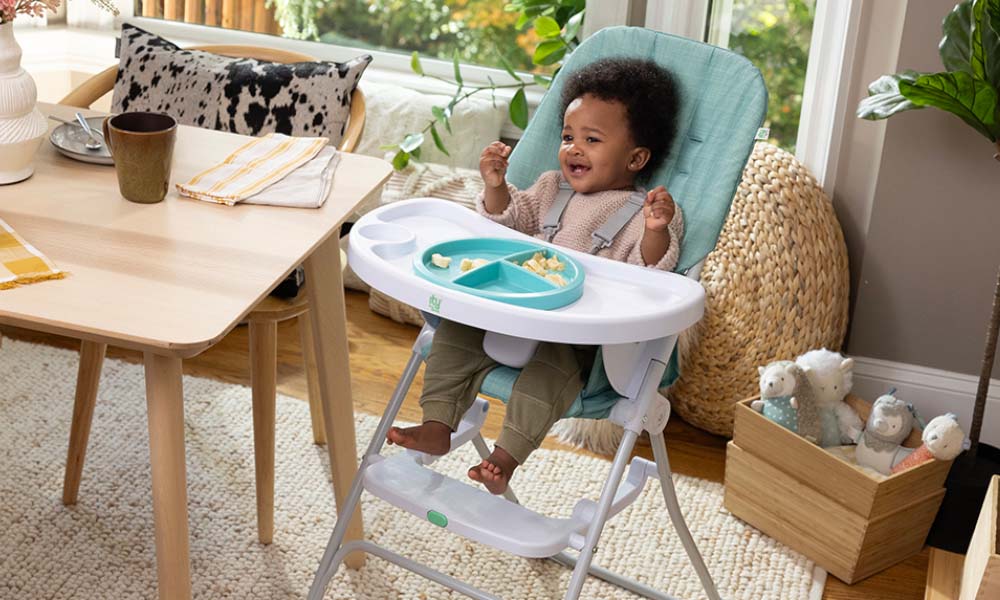
- The Feeding Area: Keep your feeding and milk prep station clean and organized, away from high-traffic areas where hot liquids could be knocked over.
- The Play Area: Create a dedicated “yes” space where the baby can explore freely without you having to say “no” every five minutes.
Community and Resources
Sometimes, the best advice comes from those who have walked the path before you. If you are part of a local parenting group or looking for postpartum support, don’t be afraid to ask about specific challenges related to older buildings. Other parents in your neighborhood likely have similar layouts and may have already found ingenious solutions for that tricky kitchen layout or that non-standard staircase.
For more tips on navigating life with your little one, feel free to check out our newborn basics guide or visit our blog for regular updates. If you have specific questions about your living situation, our FAQ page might have the answer you need, or you can always contact us directly.
Creating a safe home in an older apartment is a labor of love. By identifying the risks early and taking methodical steps to mitigate them, you aren’t just protecting your child—you’re learning how to be the best advocate for their well-being in the place you call home. Enjoy the process, celebrate the history of your space, and breathe easy knowing you’ve laid a solid, safe foundation for your growing family.