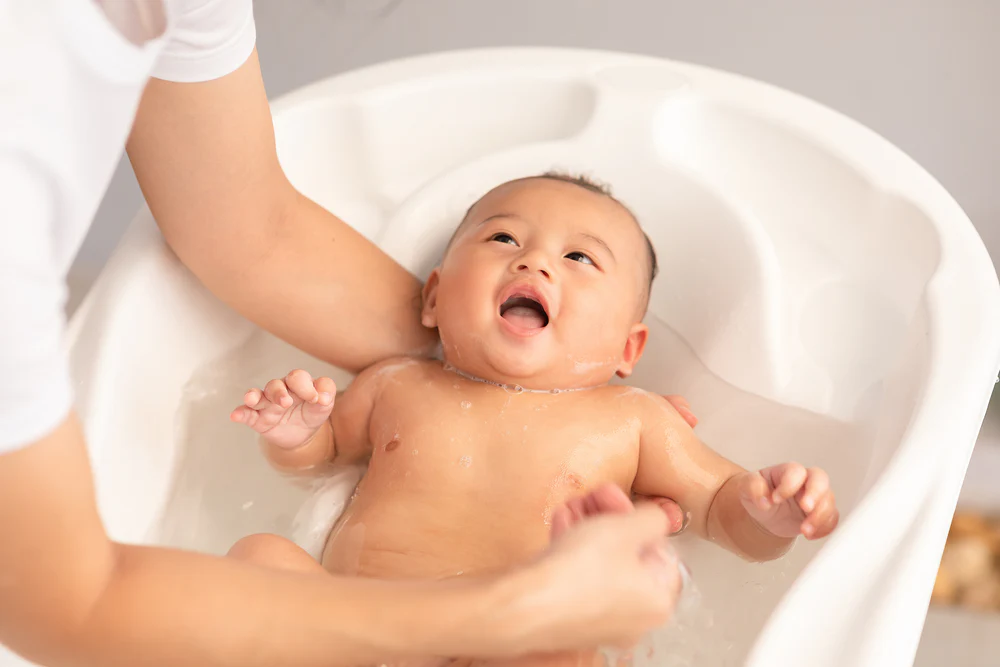
The first bath is a major milestone, often captured in photos and etched into parental memory. However, when you are living in an apartment where the bathroom footprint is roughly the size of a postage stamp, the prospect of bathing a slippery, squirming newborn can feel less like a bonding moment and more like a high-stakes puzzle.
In the world of urban baby living, we don’t always have the luxury of a giant soaking tub or expansive counter space to set up a baby spa. But a lack of square footage shouldn’t compromise the safety or the sweetness of bath time. By mastering a few newborn basics and getting creative with your environment, you can turn even the tiniest bathroom into a safe and serene space for your little one.
Understanding the “When” and “How Often”
Before you even turn on the tap, it is important to understand that newborns do not need daily baths. In fact, bathing too frequently can dry out their delicate skin. Until the umbilical cord stump falls off (usually within one to three weeks), the Mayo Clinic recommends sticking to sponge baths.
Once the cord has healed, a bath two or three times a week is generally plenty, provided you are keeping the diaper area clean during daily changes. This “less is more” approach is actually a blessing for those in small spaces, as it means less time spent managing wet gear in a cramped room.
The Set-Up: Maximizing Small Spaces
In a tiny bathroom, the biggest challenge is the “landing zone.” You need a place for the baby, a place for your supplies, and a place to dry the baby afterward—all within arm’s reach.
1. Choose the Right Vessel
If your bathroom sink is large enough, it is often the most ergonomic choice for a tiny home. It saves your back from leaning over a low tub and keeps the baby at eye level. Alternatively, look for baby gear essentials designed for small spaces, such as collapsible tubs that can hang on the back of the door or “sink inserts” made of soft foam that fold flat when not in use.
2. The “Everything in Reach” Rule
Safety in the bath is predicated on one golden rule: Never, ever leave your baby unattended. Not even for a second to grab a towel. In a small bathroom, this means you must “kit out” your space before the baby ever touches the water.
- Place a towel on the toilet lid or a small stool.
- Have your soap and washcloth already wet and ready.
- Keep a clean diaper and onesie nearby (even if they are in the hallway just outside the door).
3. Manage the Steam and Temperature
Small bathrooms heat up quickly. Ensure the room is comfortably warm so the baby doesn’t get a chill when they come out of the water. Check the water temperature with your elbow or a thermometer; it should be warm, not hot (around 100°F or 38°C).
Step-by-Step: The Tiny Bathroom Bath
Once your station is prepped, follow this flow to keep things calm and contained:
- Undress the baby last: Keep them warm in their diaper and a towel until the very last second.
- The Football Hold: Use one arm to support the baby’s head and neck while their body rests on your forearm. This leaves your other hand free to wash.
- Start with the face: Use plain water (no soap) to gently wipe the eyelids from the inner corner outward.
- Work top to bottom: Save the diaper area for last to keep the bath water as clean as possible. This is a key part of maintaining a clean and safe home environment for your newborn.
- The “Wrap and Dry”: Immediately wrap the baby in a hooded towel. In a small space, you can do this right over the sink or tub to avoid dripping water on a cramped floor.
Organizing the Aftermath
One of the hardest parts of urban baby living is managing bath water safety with professional residential water testing in the Bronx alongside the drying of baby gear. A wet baby tub sitting in a small shower can lead to mold and a feeling of clutter.
- Utilize Vertical Drying: Use S-hooks to hang the baby tub from the shower curtain rod.
- Suction Cup Organizers: Use these on the wall to hold bath toys (when they are older) and washcloths, keeping the limited counter space clear.
- Streamline Your Products: You don’t need five different lotions and soaps. A single, high-quality “head-to-toe” wash is sufficient and takes up less room.
Post-Bath Soothing
Bath time can be stimulating for some and relaxing for others. If your baby finds the water upsetting, try “swaddle bathing”—submerging the baby while they are loosely wrapped in a thin swaddle blanket. This helps them feel secure and prevents the “startle reflex” that often leads to crying.
After the bath, if your bathroom is too cramped for the “dressing” phase, move to the bed or a safe floor space. This is a great time to lean on your postpartum support—having a partner ready with the pajamas in a larger room makes the transition seamless. If bath time is part of your bedtime ritual, following up with some gentle sleep and soothing techniques, like a baby massage, can help signal that it’s time to wind down.
Safety First: Common Mistakes
Even seasoned parents can slip up when space is tight. Avoid these common pitfalls:
- Overfilling the tub: You only need two to three inches of water for a newborn.
- Relying on bath seats: These are not safety devices. Your hand should always be on the baby.
- Ignoring the faucet: In small sinks, the metal faucet can get very hot or be a bumping hazard. Cover it with a washcloth or a specialized silicone cover.
For more detailed answers on specific safety gear or water safety, our faq section covers the most common concerns for new parents.
Making the Most of the Moment
While it’s easy to focus on the logistics of the tiny space, don’t forget to enjoy the interaction. Talk to your baby, explain what you are doing, and enjoy the feeling of their skin against yours. These small moments of care are the foundation of your bond.
If you are looking for more tips on how to manage the first few months in a city environment, check out our blog for stories from other parents who have turned their “apartment challenges” into “parenting wins.”
Summary: Confidence in Every Square Inch
Bathing a newborn in a tiny bathroom is all about preparation and prioritization. By choosing the right gear, setting up your “landing zone” in advance, and focusing on the essentials of safety and warmth, you can master this ritual with ease. Your bathroom may be small, but the care you provide within its walls is immeasurable.
If you’re struggling to find the right tub for your specific sink or need more advice on baby-proofing a small apartment, feel free to contact us. We’re here to help you make the most of your home, no matter the size.