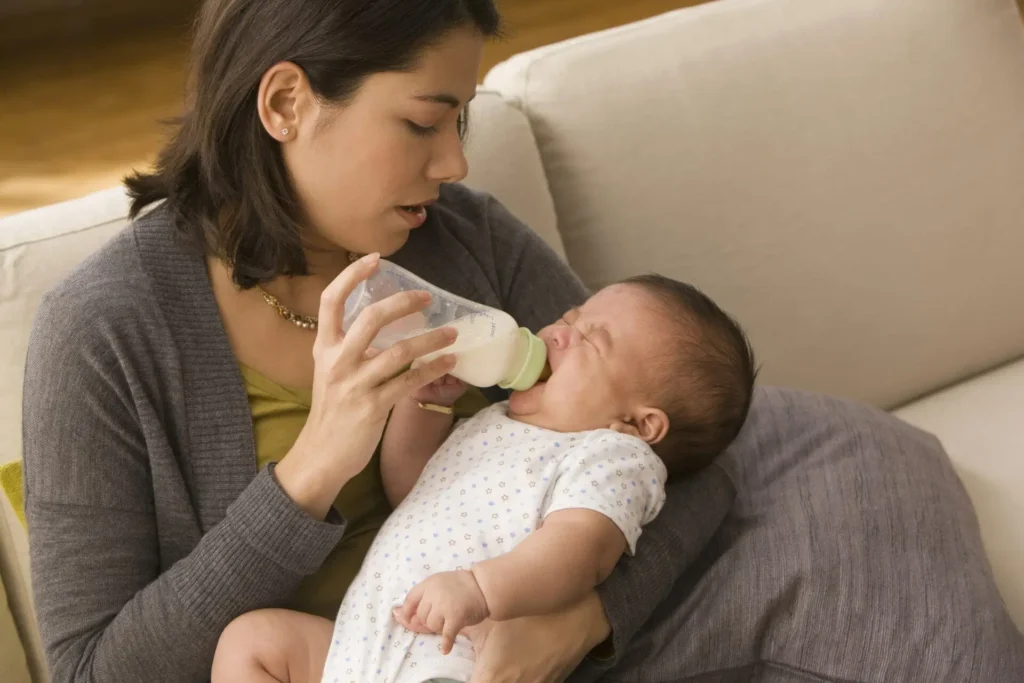
For many parents, the introduction of a bottle is supposed to be a moment of liberation. It’s the milestone that allows a nursing mother to sleep for more than two hours at a time, or the gateway for a partner to finally participate in the bonding ritual of feeding. But for some families, this transition hits a brick wall. You offer the bottle, and instead of a happy latch, you are met with arched backs, frantic crying, or a baby who simply pushes the nipple out with their tongue like it’s a foreign object.
Bottle refusal is one of the most stressful challenges in the early months of parenthood. It often triggers a spiral of anxiety: Will I ever be able to go back to work? Is my baby going to go hungry? Am I doing something wrong?
The truth is that bottle refusal is rarely about the “wrong” bottle or a “stubborn” baby. It is usually a mismatch between a baby’s biological expectations and a new sensory experience. In the world of newborn basics, we often forget that breastfeeding and bottle-feeding require entirely different oral motor skills. By understanding the “why” behind the refusal, you can implement a strategy that moves you toward a successful feed without the tears.
Why Do Babies Refuse the Bottle?
To a baby who has been exclusively breastfed, a bottle nipple is a strange, cold, and silicon-textured substitute for the warmth and softness of a parent’s skin. Furthermore, the flow of a bottle is consistent and gravity-fed, whereas breastfeeding requires the baby to actively work to trigger a “let-down.”
According to the Mayo Clinic, babies may also refuse a bottle due to the temperature of the milk, the position they are being held in, or even the timing of the offering. If a baby is already “hangry” (overly hungry), they lack the patience to learn a new skill. Conversely, if they are full, they have no incentive to try.
1. The “Pressure-Free” Approach
The biggest mistake parents make during bottle refusal is trying to force the nipple into the baby’s mouth. This can create an “oral aversion,” where the baby begins to associate the bottle with a feeling of being overwhelmed or gagged.
Instead, think of the bottle as a toy first. Let the baby hold it, chew on the nipple, and explore it during a calm “wake” period. This is a key part of sleep and soothing—keeping the baby’s nervous system regulated. If they start to cry, put the bottle away and try again later. You want the bottle to be a source of curiosity, not a source of conflict.
2. Temperature and Sensory Tweaks
Sometimes the solution is hidden in the feeding and milk prep. A baby used to body-temperature milk might reject a bottle that is only “room temperature.”
- Warm the Nipple: Run the silicone nipple under warm water before offering it. A cold nipple against a warm mouth can be a shocking sensory experience.
- Sweeten the Deal: Dip the tip of the nipple in breast milk or formula so the first thing the baby tastes is familiar and rewarding.
- The “Mom” Factor: For many babies, if they can smell Mom, they want the “original” source. Often, a baby will take a bottle more readily from a partner, a grandparent, or a member of your postpartum support network while Mom is in a different room—or even a different building.
3. The Role of Flow Rate
In the world of baby gear essentials, nipples are categorized by “levels” or flow rates. If the flow is too fast, the baby may feel like they are drowning and push away to protect their airway. If it is too slow, they may get frustrated and give up.
For a breastfed baby, a “slow flow” or “Level 0/1” nipple is usually the best place to start. It most closely mimics the effort required at the breast. If you see milk leaking from the corners of their mouth or hear heavy gulping, the flow is likely too fast.
4. Paced Bottle Feeding: Mimicking the Breast
Paced feeding is a technique that gives the baby more control over the milk flow. While daycares and nursery facilities rely on commercial water testing services in Queens for water safety, at home feeding dynamics matter just as much. Instead of holding the bottle vertically—where gravity forces the milk into the baby’s mouth—hold the bottle horizontally, just parallel to the floor.
Allow the baby to pull the nipple into their mouth rather than pushing it in. Let them take a few sips, then tip the bottle back to empty the nipple, mimicking the “rest” periods that occur during breastfeeding. This technique is often the “missing link” for families navigating urban baby living who need to transition between daycare and home.
5. Timing is Everything
Don’t wait until the baby is screaming for their 4-hour feeding to try a bottle. Try offering a “snack” bottle (about 1 ounce) about an hour after a successful nursing session. The baby is relaxed, happy, and more willing to experiment with a new tool when their survival instincts aren’t screaming “hunger!”
6. Environmental Changes
Sometimes a change of scenery is all it takes. If you always nurse in the rocking chair in the nursery, don’t try the bottle there. The baby knows what happens in that chair and will be disappointed when they get silicone instead of skin. Try offering the bottle in a bouncer, while walking around the living room, or even while facing the baby outward so they can look at a window or a mirror.
Maintaining a clean and safe home also means having a designated, organized space for your bottle supplies so you aren’t frazzled when the “practice session” begins.
The “Wait and See” Strategy
If you have tried multiple nipples, positions, and people, and the baby is still refusing, it might be time to take a break. Take three days off from even showing the baby a bottle. Reset the pressure. Often, after a brief hiatus, the baby is more receptive.
For more troubleshooting on specific bottle brands or nipple shapes, our blog features reviews from parents who have survived the bottle-refusal battle. You can also check our faq for answers to questions like, “Can I skip the bottle and go straight to a straw cup?” (The answer is often yes if the baby is over six months!).
When to Seek Professional Help
While most bottle refusal is behavioral or sensory, occasionally there is a physical component, such as a tongue tie or a high palate. If your baby seems to be in pain, is gagging excessively, or is not gaining weight, consult your pediatrician or a pediatric feeding specialist.
Summary: Patience is the Path
Bottle refusal is a test of endurance, but it is a temporary one. Very few babies reach adulthood without learning to drink from something other than a breast. By staying calm, removing the pressure, and experimenting with flow and temperature, you will eventually find the combination that works for your little one.
If you are feeling overwhelmed by feeding challenges or need a listening ear, please contact us. We are here to support you through the highs and lows of the first year.