The nursery is painted, the tiny onesies are washed, and your hospital bag is sitting by the door. You’ve prepared for the birth, but have you prepared for the “after”? For many new parents, the most surprising challenge of the first week isn’t the lack of sleep or the diaper changes—it is the intricate, often misunderstood process of breastfeeding.
There is a common myth that breastfeeding is an “instinct” that will simply click the moment your baby is placed on your chest. While the biological drive is there, breastfeeding is actually a learned skill for both the parent and the infant. Trying to learn the mechanics of a deep latch while you are recovering from birth and running on two hours of sleep is a recipe for frustration.
By mastering a few newborn basics during your third trimester, you can enter the “fourth trimester” with a toolkit of knowledge that protects your comfort and your milk supply. Here is the essential guide to what you can—and should—learn about breastfeeding before the big day arrives.
Understanding the “Liquid Gold”: Colostrum
Before your “white” milk comes in (usually between days three and five), your body produces colostrum. This thick, yellowish substance is often called “liquid gold” because it is packed with antibodies, proteins, and growth factors that act as your baby’s first immunization.
One of the most important things to learn before birth is that colostrum comes in very small quantities—sometimes only a teaspoon per feeding. Many parents panic, thinking they aren’t producing “enough.” However, as we discuss in our guides on feeding and milk prep, a newborn’s stomach on day one is only the size of a cherry. Those few drops of colostrum are exactly what they need.
The Mechanics of the Deep Latch
The number one cause of breastfeeding pain is a “shallow” latch. If the baby is only sucking on the tip of the nipple, it will cause friction, blisters, and cracked skin. A “deep” latch involves the baby taking a large mouthful of breast tissue, with the nipple resting far back against their soft palate.
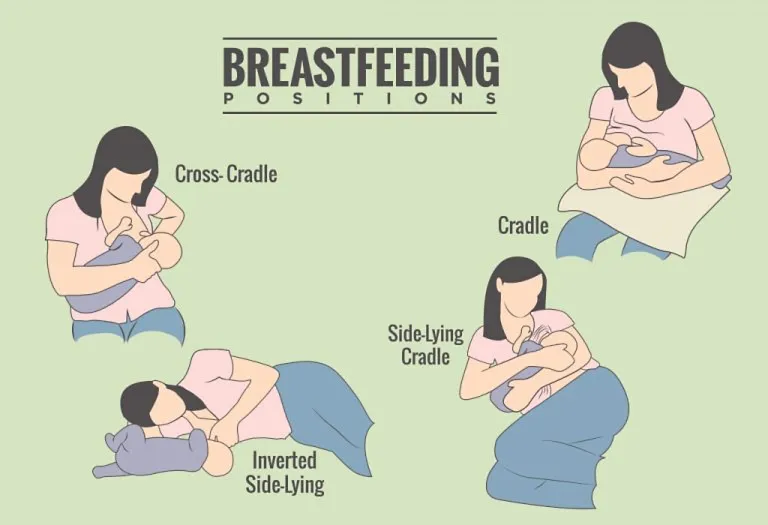
Before birth, you can practice the “asymmetrical latch” technique. This involves aiming the nipple toward the baby’s nose, allowing their chin to touch the breast first, and then having them “scoop” the breast into their mouth.
According to the American Academy of Pediatrics, trying different positions like the “cross-cradle” or the “football hold” can help you find what works best for your body type and your baby’s mouth shape.
Recognizing Early Hunger Cues
One of the best things you can do for your breastfeeding success is to learn to “read” your baby before they start crying. Crying is a late hunger cue; a crying baby is a stressed baby, and a stressed baby has a harder time latching correctly.
Watch for these “yellow light” signals in the newborn phase:
- Rooting: The baby turns their head and opens their mouth when their cheek is touched.
- Hand-to-Mouth: Bringing fists or fingers to the mouth.
- Rapid Eye Movement: Even if their eyes are closed, you may see movement under the lids.
- Smacking Lips: Making sucking sounds or licking their lips.
If you respond to these cues early, the feeding session will be much calmer. This leads to better sleep and soothing transitions, as the baby isn’t entering their sleep cycle in a state of high cortisol from crying.
Building Your “Station” in Small Spaces
If you are navigating urban baby living, you likely don’t have room for a massive nursery suite, and asking how to get my Queens drinking water tested for lead is a common first step for home safety. However, you can create a highly efficient “nursing station” that moves with you.
Before birth, gather these baby gear essentials and keep them in a portable basket or a rolling cart:
- A large, reusable water bottle (breastfeeding makes you incredibly thirsty).
- High-protein, one-handed snacks.
- A comfortable nursing pillow to support your arms and back.
- Silver nursing cups or soothing gel pads for the first few days of sensitivity.
- A dimmable light for those middle-of-the-night sessions.
Keeping these items organized ensures that your clean and safe home remains functional, even when you are “trapped” under a cluster-feeding newborn for three hours.
The Paternal/Partner Role in Breastfeeding
There is a common misconception that if a parent is breastfeeding, the partner has nothing to do. This couldn’t be further from the truth. In fact, the partner is the “guardian” of the breastfeeding relationship.
Before birth, discuss how your postpartum support person can help:
- The “Water and Snack” Delivery: Ensuring the nursing parent is nourished.
- Burping and Changing: Taking the baby immediately after the feed so the nursing parent can rest.
- Limb Support: Helping position pillows so the parent doesn’t strain their neck or shoulders.
- Advocacy: If you are in the hospital and feeling overwhelmed, the partner can be the one to ask for a lactation consultant.
Identifying “Cluster Feeding” Before It Happens
Between days two and five, and again at several growth spurts, babies will “cluster feed.” This means they may want to eat every 45 minutes for several hours, usually in the evening. Many parents interpret this as “I don’t have enough milk.”
In reality, cluster feeding is the baby’s way of “ordering” more milk for the next day. It is a biological demand-and-supply system. Knowing this before it happens prevents the panic that often leads to unnecessary early supplementation. You can find more deep-dives into these developmental leaps on our blog.
When to Reach Out for Help
The final thing to learn before birth is who to call if things don’t feel right. Breastfeeding might be “uncomfortable” for the first 30 seconds of a latch in the first week, but it should never be agonizing.
If you experience:
- Pain that lasts throughout the entire feeding.
- Fever or red, hot streaks on the breast (signs of mastitis).
- A baby who isn’t producing enough wet diapers.
…it is time to contact a professional. Our faq section has a list of red flags to watch for and tips on how to find a qualified lactation consultant in your area.
Summary: Knowledge is Your Foundation
Breastfeeding is a journey that is 10% physical and 90% mental. By understanding the size of your baby’s stomach, the mechanics of a deep latch, and the reality of cluster feeding before you ever leave the hospital, you give yourself the grace and the confidence to succeed.
You don’t have to be perfect from the first latch. You just have to be prepared. If you have specific questions about gear or need a second opinion on your “nursing station” setup, feel free to contact us. We are here to support you through every step of this transition.