Living in a compact city apartment is an exercise in creative problem-solving. When you add a newborn to a floor plan that already feels “efficient,” the sudden influx of bottles, drying racks, and nursing pillows can feel like a sensory invasion. In the world of urban baby living, the goal isn’t just to find a place for everything—it’s to create a feeding rhythm that doesn’t involve tripping over gear in the middle of the night.
Whether you are breastfeeding, formula feeding, or practicing “triple feeding,” your setup determines your stress level. A cluttered kitchen counter or a cramped nursing corner can make a 3:00 AM feeding feel like a marathon. By focusing on vertical storage, multi-functional furniture, and “zoning,” you can turn even a studio apartment into a streamlined feeding sanctuary.
The Philosophy of the “Micro-Station”
The biggest mistake new parents make in small spaces is trying to replicate a suburban nursery. You don’t need a massive gliding recliner or a six-foot-long changing table with a built-in bottle warmer. Instead, you need “micro-stations”—dedicated, small-footprint areas that serve one specific purpose.
According to the American Academy of Pediatrics, keeping your baby in your room for the first six months is the safest practice. In a small apartment, this means your bedroom often doubles as the primary feeding hub. By mastering a few newborn basics of organization, you can keep this shared space functional for both you and the baby.
1. The “Mobile Base Camp”: The Rolling Utility Cart
If there is one “holy grail” of small-space parenting, it is the three-tiered metal rolling cart. This is the ultimate solution for feeding and milk prep because it can travel with you.
- Top Tier: Keep your pump parts, nipple cream, and nursing pads here. If you are bottle-feeding, this tier holds your sterilized bottles and a small container of pre-measured formula.
- Middle Tier: Snacks and a high-capacity water bottle. Breastfeeding and the general demands of the “fourth trimester” require a high caloric intake; having one-handed snacks within reach is a sanity-saver.
- Bottom Tier: Burp cloths, extra bibs, and a clean onesie (for the inevitable mid-feed “spit-up” or blowout).
The beauty of the cart is that it can live next to your bed at night and be rolled into the living room during the day. This prevents “clutter creep” across your limited floor space.
2. The Kitchen “Command Center”: Vertical Drying
In a small kitchen, counter space is more valuable than gold. Traditional bottle drying racks are often wide and circular, taking up precious real estate next to the sink.
To maintain a clean and safe home, look for vertical drying racks. Some models look like “trees” and branch upward, while others are slim, rectangular mats that can be tucked behind the faucet when not in use. Another local hack is using a wall-mounted magnetic strip or small hanging baskets on a “Pegboard” system to store bottle nipples, caps, and pacifiers. This keeps the small parts off the counter and allows them to air-dry safely away from the “splash zone” of your regular dishes.
3. The Nursing Nook: Multi-Functional Seating
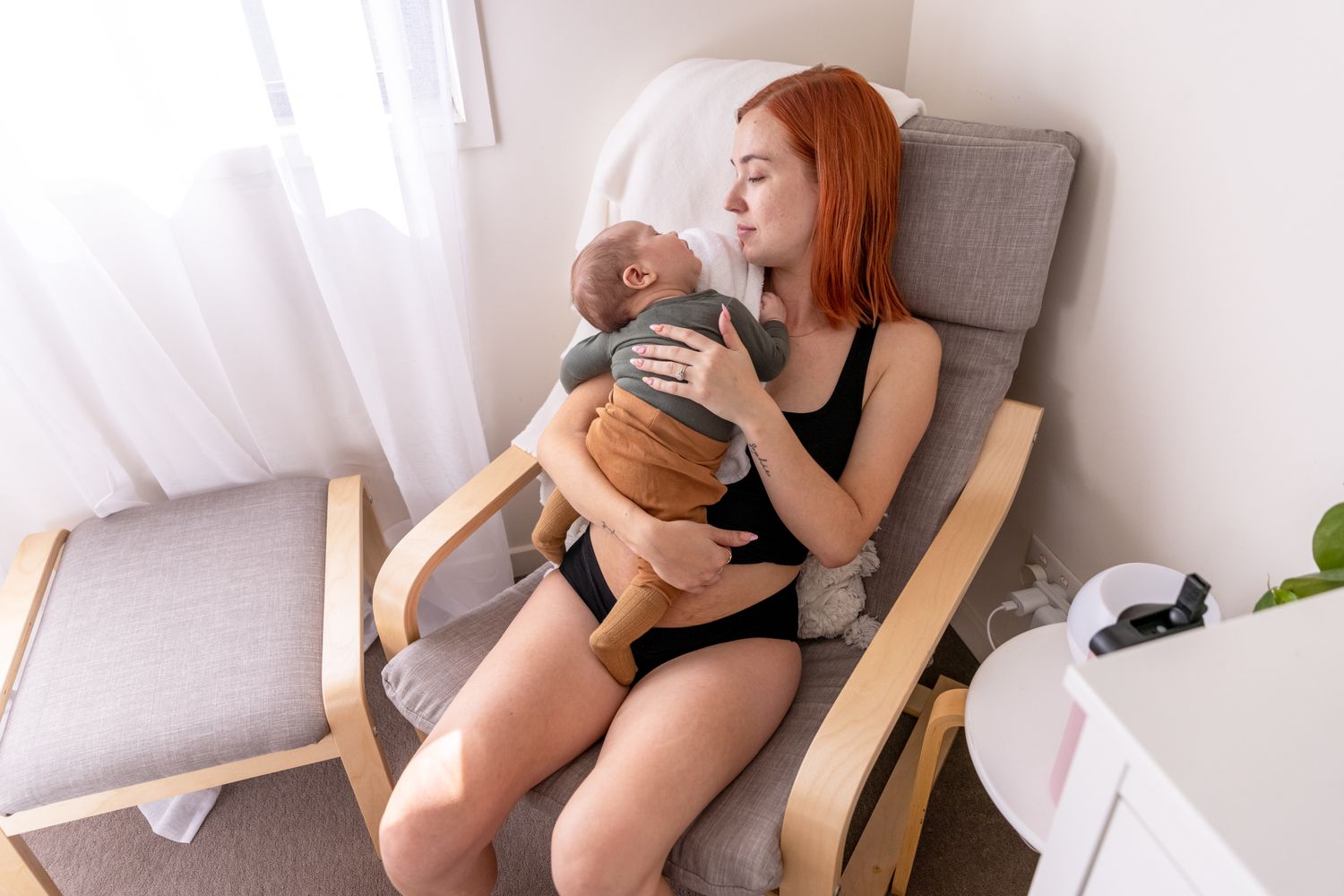
If you don’t have room for a traditional rocker, don’t force it. Many Manhattan and Brooklyn parents find that a high-quality “C-shaped” nursing pillow allows them to turn their existing sofa or even a sturdy armchair into a perfect feeding spot.
The key is lighting. Just as tenant associations coordinate water testing for apartment buildings in Queens to preserve shared health, in a small apartment where you might be sharing a room with a partner or another child, a dimmable, portable touch light is one of the most overlooked baby gear essentials. It allows you to see the baby’s latch or the bottle’s ounce markers without flooding the entire studio with light, which is crucial for maintaining sleep and soothing for everyone involved.
4. Formula Logistics in Tight Quarters
If you are formula feeding, the “logistics” of water and powder can be tricky in a small kitchen.
- The Pre-Fill Strategy: Before you go to bed, pre-fill your bottles with the correct amount of filtered water. Use a “formula tower” (a stackable container with pre-measured sections of powder). This eliminates the need for scooping and measuring in the dark, and it takes up very little space on a nightstand or cart.
- Temperature Control: If your baby prefers warm milk, a compact, single-bottle warmer is much more space-efficient than a large “formula maker” machine.
For more tips on how to handle specific urban challenges—like dealing with older plumbing—check out our blog for detailed guides on water safety and sterilization.
5. Leaning on Postpartum Support and “The Swap”
When you live in a small space, you can’t always “escape” to another room to rest. This makes postpartum support even more vital.
One of the best setups for a small apartment is a “designated sleeper” zone. If one parent is feeding the baby in the main living/bedroom area, the other parent should have a “quiet zone”—even if it’s just a set of noise-canceling headphones and a comfortable eye mask. Organizing your feeding routine into “shifts” ensures that the apartment never feels too crowded with activity at any one time.
6. Managing the Inventory: The One-In, One-Out Rule
The fastest way to lose the “clean” feeling in a small apartment is to keep gear you no longer need. If your baby has moved up a nipple size or you’ve decided a certain bottle brand isn’t working, get it out of the kitchen immediately.
“We keep a small ‘to-go’ bin in the closet,” says Chloe, a mom in a Long Island City studio. “As soon as we realize an item isn’t serving us, it goes in the bin to be donated or passed on to a neighbor. We simply don’t have the room for ‘just in case’ items.” For quick reference on which gear is truly essential, our faq section covers the “Must-Haves vs. Nice-to-Haves” for urban parents.
Summary: Your Space, Your Sanctuary
Creating an easy feeding setup in a small apartment isn’t about the square footage you have; it’s about the systems you put in place. By utilizing a rolling cart, thinking vertically in the kitchen, and keeping your “night shift” gear prepped and ready, you can transform your home into a highly efficient space that supports your baby’s growth and your own recovery.
Small apartments often lead to closer bonds and more intentional parenting. When everything is within reach, you can focus less on the “stuff” and more on the tiny person in your arms.
If you’re feeling overwhelmed by the clutter or need help deciding which space-saving gear is right for your specific floor plan, please contact us. We love helping urban families find their perfect “fit.”