The moment that positive pregnancy test appears, a switch flips. Suddenly, your social media feeds are flooded with advertisements for high-tech bottle sterilizers, Wi-Fi-enabled breast pumps, and elaborate formula-mixing machines that look like they belong in a high-end espresso bar. It is easy to feel like you need a thousand dollars’ worth of equipment just to satisfy a newborn’s hunger.
However, for those navigating urban baby living, space is a premium and time is even scarcer. The truth of the fourth trimester is that complicated gadgets often create more work—more parts to wash, more manuals to read, and more counter space lost. The most successful feeding routines are built on a foundation of simplicity.
Whether you are breastfeeding, bottle-feeding, or doing a bit of both, there are a few high-utility, low-fuss tools that will truly make your life easier. By focusing on these newborn basics, you can drown out the marketing noise and focus on what matters: a well-fed baby and a rested parent.
1. The Silicone Breast Pump
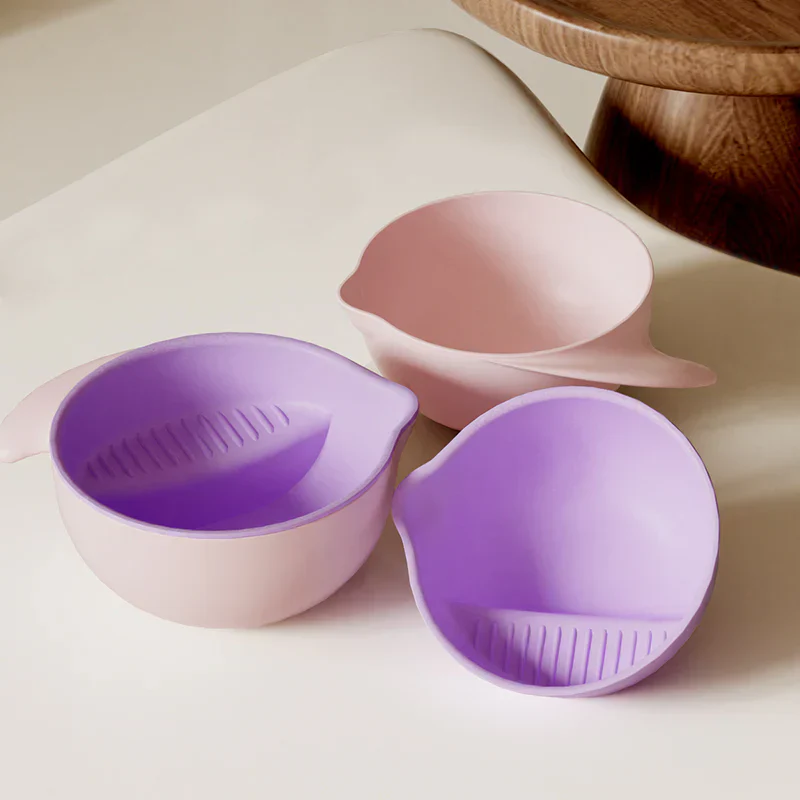
If you are breastfeeding, this is arguably the most valuable tool in your kit. Unlike an electric pump with its tubes, wires, and loud motor, a manual silicone pump uses simple suction to catch the “let-down” on the side you aren’t nursing from.
“I wish I knew about this with my first baby,” says Elena, a mom in Astoria. “I used to just soak a nursing pad with wasted milk while I fed on the other side. With the silicone pump, I started saving two or three ounces every session without any extra effort.”
This tool is a game-changer for feeding and milk prep because it allows you to build a “freezer stash” passively. It’s silent, fits in a diaper bag, and has exactly one part to wash. It’s the ultimate minimalist tool for the busy city parent.
2. A Responsive, Slow-Flow Bottle System
If you plan to introduce a bottle—even occasionally—the type of nipple matters more than the brand of the bottle. Many parents buy “Level 1” nipples assuming they are for newborns, but for a breastfed baby, even Level 1 can be too fast, leading to gassiness or “flow preference.”
Look for “Super Slow Flow” or “Preemie” nipples among your baby gear essentials. A slow-flow nipple requires the baby to work for the milk, mimicking the effort of the breast. This supports a better sleep and soothing transition because the baby doesn’t end the feed feeling overfull and bloated from gulping air.
3. The Vertical Bottle Tree
In a small apartment, you cannot afford to have bottles drying all over your limited counter space. A traditional flat drying rack is a space-hog. A vertical drying “tree” or a slim, upright rack utilizes the “air space” in your kitchen.
Maintaining a clean and safe home means ensuring bottle parts air-dry completely to prevent mold or bacterial growth. A vertical rack allows for better airflow around the vents and nipples, and it keeps your sink area looking organized rather than chaotic. According to the CDC’s guidelines on infant feeding hygiene, air-drying on a clean surface is far superior to using a cloth towel, which can harbor germs.
4. A Dimmable, Portable Nightlight
You might not think of a light as a “feeding tool,” but at 3:00 AM, it is your most important piece of equipment. Along with ensuring tap water safety through private water testing in Queens when preparing bottles, turning on a bright overhead light to check a latch or measure formula tells the baby’s brain—and yours—that it’s time to be awake.
A small, rechargeable touch light allows you to see what you’re doing without fully alerting the baby’s nervous system. This is an essential for urban baby living, where you might be trying to feed the baby in a shared bedroom without waking a sleeping partner.
5. High-Quality Muslin Burp Cloths
Forget the fancy, shaped “contour” burp cloths. Simple, oversized muslin squares are the workhorses of the newborn stage. They are more absorbent than standard cotton, they dry quickly after washing, and they double as a nursing cover, a stroller sunshade, or a light swaddle in a pinch.
Most experienced parents recommend having at least 12 to 15 on hand. In the early weeks, “spit-up happens,” and having a fresh cloth within arm’s reach prevents a small mess from turning into a full wardrobe change for both you and the baby.
The Role of Postpartum Support in Tool Management
No matter how simple your tools are, they still need to be maintained. This is where your postpartum support system comes in. The most useful “tool” a partner or friend can provide isn’t a gadget—it’s the labor of washing and resetting the feeding station.
“My husband didn’t know how to help with breastfeeding,” says Sarah, a mom in Downtown Jersey City. “But he took over the ‘maintenance.’ He washed the silicone pump, sterilized the bottles, and made sure my water bottle was always full. That support was more important than any machine we bought.”
What You Can Probably Skip
In the spirit of keeping things simple, here are a few items that often end up in the “donation” bin:
- Wipe Warmers: They can grow bacteria and aren’t necessary for a baby’s comfort.
- Complex Formula Makers: They are notoriously difficult to deep-clean and take up massive amounts of counter space.
- Expensive Designer Nursing Chairs: A comfortable pillow on your existing sofa usually works just as well and doesn’t require a furniture delivery.
For more advice on what is truly necessary for those first few weeks, our blog features several “Minimalist Registry” guides. If you are struggling to decide between two specific products, our faq section covers the pros and cons of the most popular urban baby gear.
Summary: Quality Over Quantity
Feeding your baby is one of the most fundamental acts of parenting. It shouldn’t require a degree in engineering or a massive kitchen. By choosing a few versatile, high-quality tools—like a silicone pump, slow-flow nipples, and a vertical drying rack—you can create a feeding routine that is easy to maintain and leaves you with more time for rest.
The best tools are the ones that fade into the background, allowing you to focus on the connection with your baby. If you have questions about how to set up your small-space kitchen or need a recommendation for a specific city-friendly pump, please contact us. We are here to help you simplify the journey.